

Your Strategic Buying Guide
Buying a home involves more than simply finding a property online. Financing, inspections, market conditions, timing, competition, and long-term goals can all influence the purchasing process and overall experience. Together, we’ll evaluate your priorities, budget, and timeline to build a strategy tailored to your goals and the current market.

Financial Preparation
Loan Pre-Approval & Budget Planning
-
Understanding purchasing power early helps buyers focus on homes that align with their financial goals and comfort level.
Understanding Monthly Payments
-
Monthly costs can include principal, interest, taxes, insurance, and other property-related expenses that should be considered when budgeting.
Reviewing Financing Options
-
Different loan programs and financing structures may offer different benefits depending on a buyer’s financial situation and long-term goals.
.jpg)
Home Search & Strategy
Identifying Priorities & Location Goals
-
Defining needs, lifestyle preferences, and location priorities helps narrow the home search and create a more focused strategy.
Evaluating Market Conditions
-
Market conditions, inventory levels, and buyer demand can influence pricing, negotiation opportunities, and overall strategy.
Touring Homes & Refining Criteria
-
Viewing properties often helps buyers refine their priorities and better understand what features and trade-offs matter most.
.jpg)
Offer to Closing
Offer Negotiations & Contract Process
-
Offer terms can include more than just price, including timelines, contingencies, and financing considerations.
Inspection, Appraisal & Timelines
-
After an offer is accepted, inspections, appraisals, and lender requirements all play a role in moving the transaction toward closing.
Final Walkthrough & Closing Prep
-
Before closing, buyers typically complete a final walkthrough and review closing details to help ensure a smooth transition into the property.
Inspection & Condition
What Buyers Commonly Evaluate
-
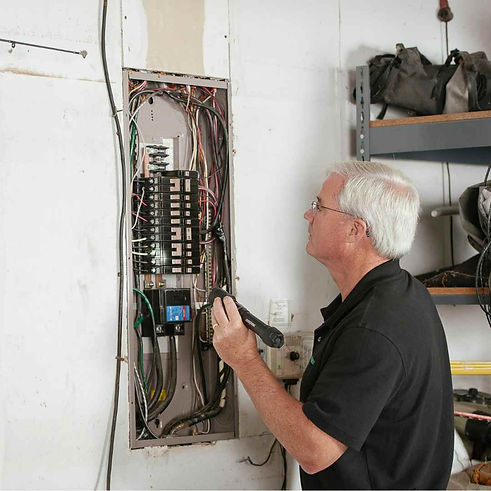
Foundation, roof, electrical, plumbing, HVAC systems, and signs of deferred maintenance or water intrusion.
Inspections Can Impact the Purchase
-
Inspection findings may lead to repair requests, credits, renegotiations, or influence a buyer’s comfort level moving forward with the purchase.
Why Due Diligence Matters
-
nspections help buyers better understand the condition of the property and make informed decisions before closing.

What to Expect During the Buying Process
Step 1: Consultation & Pre-Approval
-
Discuss goals, financing, budget, timeline, and purchasing priorities while reviewing the steps involved in the home buying process.
Step 2: Home Search & Showings
-
Tour properties, evaluate options, refine criteria, and monitor market opportunities that align with your goals and budget.
Step 3: Offer & Negotiations
-
Submit offers, negotiate terms, and navigate inspections, financing, and contractual timelines throughout the transaction process.
Step 4: Closing & Next Steps
-
Coordinate final walkthroughs, closing details, and transition planning leading up to the closing and move-in process.